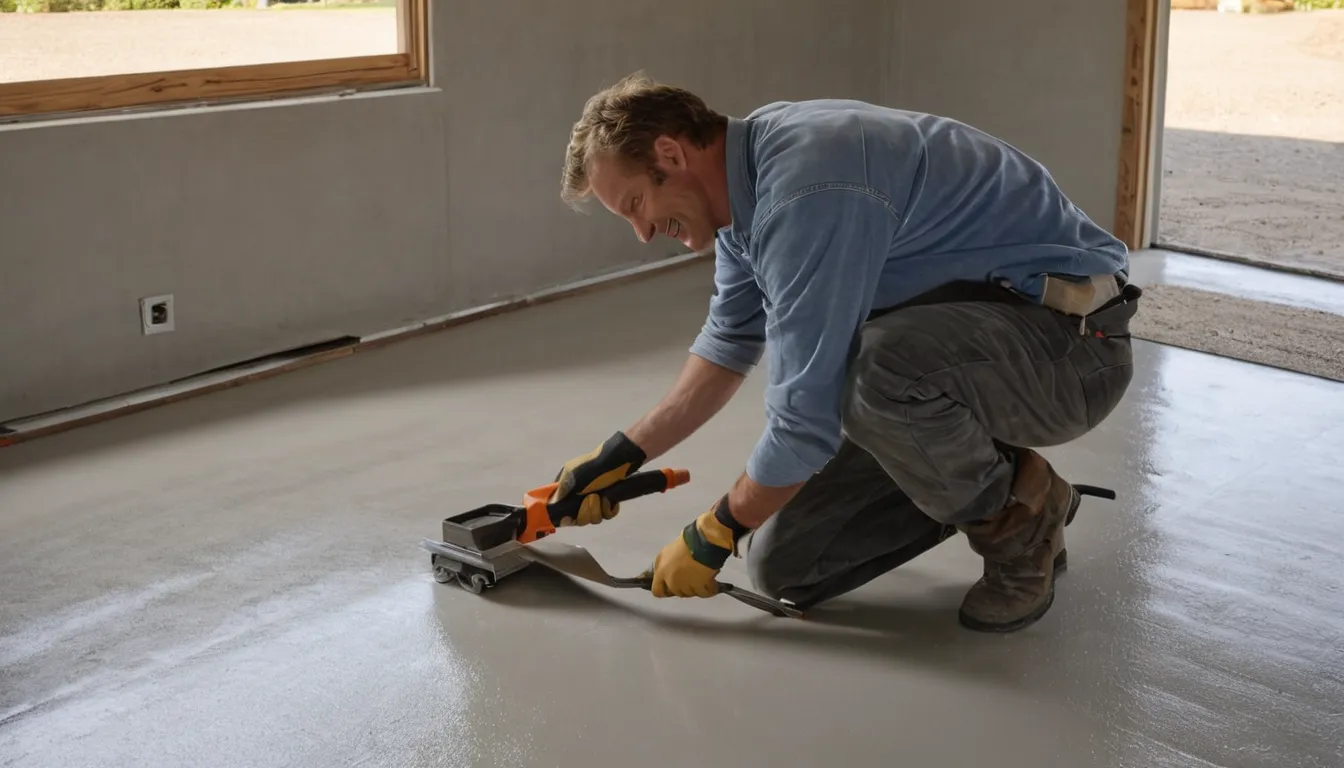
Polyaspartic Floor Coating Services
Request your estimate today
A lot of people think polyaspartic is just epoxy with a fancy name. It is a related coating, but it behaves differently. It cures quickly, stands up to sunlight, and stays flexible when the slab moves with the seasons. That makes it a smart pick for many garages.
Speakingenjoy Floor Coating is a referral service. Speakingenjoy Floor Coating does not do the floor work itself. You tell us about your garage or slab, and an independent provider in our network follows up with a straight estimate. Older homes get extra care here, because aging concrete, past repairs and hidden surprises change the plan. Request an estimate to get started, with no obligation.
Need Your Garage Back Soon?
A lot of people think a new floor coating means weeks of a torn-up garage. With polyaspartic, that is often not true. Many systems cure much faster than standard epoxy, so the car may be back inside sooner. The provider gives you the real timeline once they see your slab.
Start by asking for an estimate. A local provider in our network will follow up. If your schedule is tight, Request a callback to check provider availability.
What Polyaspartic Really Is
Here is the plain version. Polyaspartic is a hard, clear-or-colored coating made for concrete. It goes on in thin layers and sets up quickly. It does not turn yellow in strong sun, which is a common complaint with some epoxy floors. It also handles tire heat, road salt and spills well.
Polyaspartic vs. Epoxy: Sorting Out the Myths
Myth one: polyaspartic is always tougher. In practice, both are tough, and each has a job. Epoxy grips concrete well and builds a thick base. Polyaspartic shines as a fast, sun-stable top layer.
Myth two: it costs more, so it must be better for every garage. Not always. A shaded, rarely used garage may do fine with a simpler system. A sunny driveway-facing garage may gain a lot from polyaspartic.
Full Polyaspartic or a Hybrid System?
A full system uses polyaspartic from the first coat to the last. A hybrid puts an epoxy base under a polyaspartic top coat. Hybrids are common for epoxy garage floors that need a thick build over rough concrete. Full systems suit slabs in good shape where speed matters most.
The provider will pick based on your slab, your budget and how you use the space.
Check the Slab First
Prep beats paint. This is the step people want to skip, and it matters most. The concrete is ground so the coating can grip. Skip that, and even a great product can peel.
Older Homes and Hidden Surprises
Many people think a hard, old slab is an ideal surface to coat. Often it holds a few secrets. Frame houses, bungalows and ranch homes from past decades may have:
- Old paint or sealer that blocks bonding
- Patched cracks from earlier repairs
- Oil stains soaked deep into the pores
- Moisture rising through a slab with no vapor barrier
A good provider tests for these before quoting. Surprises found early cost less than surprises found after the coating goes down.
How the Installation Goes
The process is simple to follow. First, the provider inspects and tests the slab. Next, they grind the surface and fill cracks and joints. Then the base coat goes on, and flakes are broadcast if you want them. Finally, one or two clear top coats seal everything.
Because polyaspartic sets quickly, the crew works in tight steps. Ask for the cure and drive-on timing in writing.
Season-Smart Timing
Polyaspartic can often be applied in cooler air than many coatings. That helps in our cold winters with deep frost. But the slab still has to be dry and not icy. In hot, humid summers, the coating sets even faster, so providers may work early in the day.
Spring flooding and heavy storms can leave concrete damp for a while. If you have a basement with a sump pump, mention it. Wait until moisture readings look right before coating. Season-smart timing saves rework.
Where Polyaspartic Works Well
Garages are the classic spot. It also suits porches, patios, workshops, breezeways and entry steps. For a concrete coating that takes sun, salt and tire heat, it is a strong option. Damp basement floors need extra care, so ask the provider before you decide.
Choosing Colors and Flake Blends
Flakes hide dust, small marks and uneven concrete. A light gray blend looks clean, but a speckled mix hides more. Dark solid colors show every footprint. Ask to see a sample board in your own garage light. Custom floor finishes, like metallic looks or blended flakes, are possible with many providers.
Caring for a Polyaspartic Floor
Care is easy. Sweep, then mop with mild soap and water. Wipe spills when you see them. Use a soft pad, not harsh scrubbers. Let the floor cure fully before dragging heavy tool chests across it.
Questions to Ask the Installer
- How will you test my slab for moisture?
- Is this a full or hybrid system, and why?
- How will you handle old repairs and cracks?
- What is the cure time before cars and tools return?
- What does the warranty cover, in writing?
Request a callback to check provider availability, or send a request first.
Indoor Floors Are a Different Job
Some homeowners also plan hardwood flooring installation inside while the garage is redone. That is a separate trade. Mention it when you talk to a provider, since not every provider does both.
Ready When You Are
Tell us about your slab, its age and any past repairs. The provider will give you a straight estimate with no obligation.
What's Included
Slab Inspection
The provider checks cracks, old coatings and moisture before quoting, so the plan fits your concrete.
Diamond Grind Prep
The surface is ground so the coating can grip, which matters more than the product itself.
Base and Flake Coats
Choose a solid color or a flake blend, then the provider builds the layers.
Clear Topcoat
A sun-stable seal protects against tires, salt and spills.
Typical Polyaspartic Floor Coating Costs
Prices vary by slab condition, size, region and system type. These are typical U.S. ranges only, not quotes. Older slabs often need extra prep, so always ask for a written quote after the provider inspects.
| Item | Typical range | Notes |
|---|---|---|
| Two-car garage, full polyaspartic | $3,000 – $7,000 | Depends on size, prep and color choice |
| Hybrid epoxy base with polyaspartic top | $2,800 – $6,500 | Common for rough or older concrete |
| Surface grinding and prep | $1 – $3 per sq ft | Often part of the base price |
| Crack and joint repair | $150 – $1,000 | Older slabs may need more work |
| Old coating or sealer removal | $1 – $4 per sq ft | Needed when old paint blocks bonding |
| Decorative flake or metallic upgrade | $1 – $4 per sq ft | Custom finishes cost more than solid colors |
How It Works
Tell Us About Your Floor
Share the size, age and condition of your garage or slab through the request form.
A Provider Follows Up
A local provider in our network contacts you to talk through your project.
Review a Written Estimate
Compare the system, prep, timing and warranty details before you decide anything.
Schedule at the Right Time
Pick a season-smart window and the provider handles prep, coating and cleanup.
Why Call Speakingenjoy Floor Coating
Older Homes Get Extra Care
We steer you toward providers who plan for aging slabs, past repairs and hidden surprises.
Straight Talk
We clear up myths, so you know what polyaspartic can and cannot do.
Season-Smart Timing
Frost, humidity and spring moisture all matter, and your provider plans around them.
Simple Process
Send a request and a provider follows up with an estimate.
Other Services
Need polyaspartic floor coating services in Westland?
Tell us about your floor and request an estimate. A provider in our network will follow up with next steps. There is no obligation.
No obligationPolyaspartic Floor Coating Services FAQ
Is polyaspartic better than epoxy for a garage floor?
It depends on the garage. Polyaspartic cures faster and resists sun yellowing, so it suits bright garages. Epoxy bonds well and builds thickness. Many providers combine them in a hybrid system. Ask which fits your slab and budget.
How long does a polyaspartic floor coating take to cure?
Many systems cure faster than epoxy, and some allow light foot traffic within hours. Full cure and car traffic timing vary by product and weather. Ask the provider for exact times in writing.
Can polyaspartic be installed in cold weather?
Often yes, since it can cure at lower temperatures than many coatings. The slab must still be dry and not icy. The provider will check temperature and moisture before starting.
Get in touch
Tell us about your floor and request an estimate. A provider in our network will follow up with next steps. There is no obligation.
No obligation