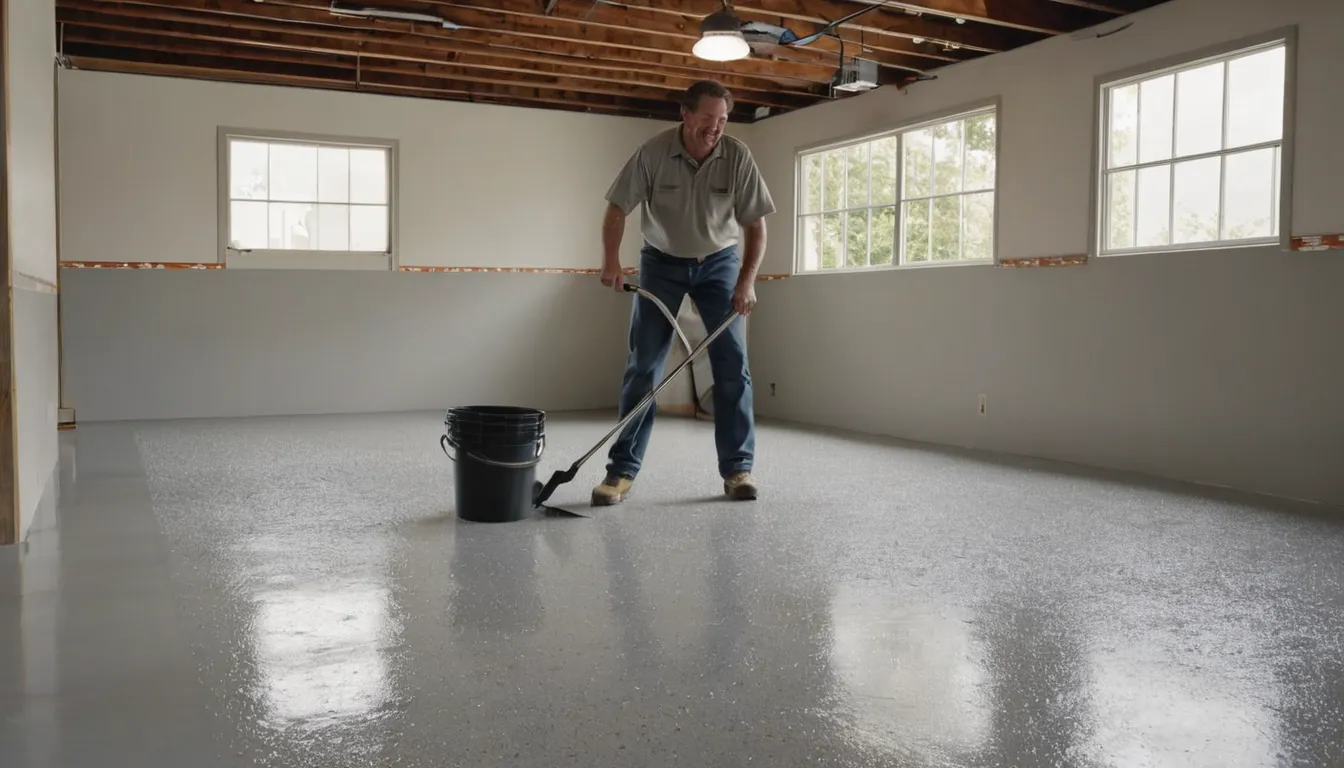
Epoxy Garage Floors, Done Right the First Time
Request an estimate today
A lot of people think epoxy is just thick paint you roll on over a weekend. In practice, the coating is only as good as the concrete under it. Grinding, crack repair and moisture checks do most of the work. That is why a good epoxy garage floor starts with a close look at the slab.
Older houses add a few twists. Slabs from many decades ago may hold old sealers, patched cracks or damp spots. Speakingenjoy Floor Coating is a referral service. You tell us about your floor, and an independent provider in our network follows up with a straight estimate. The provider does the work, so you can compare plans before you decide.
Flaking, Pitting or Cracking? Start Here
A lot of people think a rough garage floor can wait. In practice, small cracks let in water. Deep frost then pushes them wider. Flaking paint, dusty spots, pitted patches and oil stains are all signs the slab needs a plan.
Tell Speakingenjoy Floor Coating what you see. A local provider in our network follows up with a straight estimate. Speakingenjoy Floor Coating does not do the work. Independent providers do.
Myth: Epoxy Is Just Thick Paint
Hardware store paint sits on top of concrete. Real epoxy is a two-part coating that bonds to it. Mixed and applied well, it forms a hard, thick shell. Mixed or applied poorly, it peels in sheets.
The product matters. The prep matters more.
Prep Beats Paint
Most failed garage floors fail from the bottom up. Oil, dust, old sealer or a smooth, glossy surface keeps the coating from gripping. A provider usually grinds the slab with a diamond grinder. This opens the pores in the concrete so the epoxy can sink in.
Cracks and chipped edges get filled and leveled. Then the floor is vacuumed until it is clean. Skipping any of this is how a floor looks great for one season and bad for the next.
Check the Slab in an Older Home
Older garages hold surprises. The slab may be decades old. It may have no moisture barrier under it. It may have been sealed, painted or patched several times.
A good provider looks first. They tap for hollow spots, test for moisture and check for old coatings. Then the plan fits the floor you actually have, not the floor on a brochure.
Past Repairs and Hidden Surprises
A lot of people think old patches are harmless. In practice, patch material can be softer than the slab around it. Some patches shrink, sink or crumble under a grinder.
Other surprises show up too: old adhesive, spalled concrete near the door, or a slab that slopes in an odd way. Ask the provider to point out every repair they find and explain how they will handle it.
Season-Smart Timing
Concrete and epoxy both care about temperature and moisture. Cold winters with deep frost can slow the cure. Hot, humid summers can trap moisture and cause bubbles. Spring flooding can leave a slab damp for weeks.
Many providers prefer dry, mild stretches of fall or late spring. Some use heaters and fans to work in tougher weather. Ask what the plan is for your dates. Season-smart timing saves trouble later.
Common Epoxy Floor Systems
Not every epoxy floor looks or acts the same. These are the main types providers talk about:
- Solid color: a clean, simple coat. Good for a tidy look and a lower price.
- Flake: colored chips are tossed into the wet coating. They hide small flaws and add grip.
- Quartz: colored sand makes a tough, textured surface for busy garages.
- Metallic: swirled pigments make custom floor finishes with a deep, marbled look.
This kind of concrete coating can match the style of your home. Pick the one that fits how you use the space.
What a Typical Install Looks Like
Most garage jobs take a few days. Day one is grinding, crack repair and cleanup. Next comes a primer, then the main epoxy coat. If you chose flakes or quartz, they go in while the coat is wet.
A topcoat finishes the job. Then the floor needs time to cure before it sees full use. Ask for the cure times in writing so you know when you can walk, park and load it up.
Topcoats and UV Exposure
A lot of people think epoxy stays clear and bright forever. In practice, plain epoxy can yellow when sunlight pours through a garage door or windows. A UV-stable topcoat helps protect the color.
Topcoats also help with scratches and chemical spills. If your garage gets strong afternoon sun, say so when you ask for an estimate.
Getting the Garage Ready
A few steps on your side make the job go smoothly:
- Clear out cars, shelves, bins and tools.
- Move anything stored against the walls.
- Fix leaks from the roof, door or gutters before the work starts.
- Tell the provider about past spills, sealers or repairs.
If you have a damp slab or a sump pump nearby, mention that as well. Moisture is the first thing a provider needs to know about.
Caring for Your New Floor
Care is simple. Sweep or dust mop often. Wipe spills when you see them. Use a soft mop and mild cleaner, not harsh acids or stiff brushes.
Winter road salt and slush are tough on any floor. Squeegee the melt water out the door. Felt pads under heavy items help prevent scratches.
Questions to Ask the Provider
Before you say yes, ask a few plain questions:
- How will you test the slab for moisture?
- How will you prep older concrete and past repairs?
- Which system and topcoat do you suggest, and why?
- What are the cure times and the weather plan?
- What does the written quote include?
Some providers also handle hardwood flooring installation inside the home. That is a separate job, so keep the quotes separate too.
Request a callback to check provider availability, or use the request form to share your floor details first.
What's Included
Slab Check
The provider looks over cracks, moisture and old coatings before suggesting a plan.
Diamond Grinding Prep
The surface is ground and cleaned so the epoxy can grip the concrete.
Crack and Chip Repair
Cracks, pits and worn edges are filled and leveled before any coating goes on.
Finish and Topcoat
Choose solid, flake, quartz or metallic, then add a protective topcoat.
Typical Epoxy Garage Floor Price Ranges
Prices vary with garage size, slab condition, system type and local weather timing. These are typical U.S. ranges only. Older slabs with many repairs often land higher. Always get a written quote that lists every step.
| Item | Typical range | Notes |
|---|---|---|
| Solid color epoxy | $3 – $7 per sq ft | Simple look, good for sound slabs |
| Flake system | $5 – $10 per sq ft | Hides small flaws, adds grip |
| Metallic or custom finish | $8 – $15 per sq ft | Takes more skill and time |
| Crack and spall repair | $200 – $800 per garage | Depends on how many and how deep |
| Moisture primer or barrier | $1 – $3 per sq ft | Often needed on damp or older slabs |
| UV-stable topcoat upgrade | $1 – $3 per sq ft | Helps with sun yellowing and scratches |
How It Works
Tell Us About Your Floor
Share the garage size, the floor's age and any cracks, stains or damp spots.
Provider Follows Up
A local provider in our network reaches out to talk through the details.
Review the Estimate
Compare the system, prep steps, topcoat and timing in a straight written estimate.
Provider Does the Work
The independent provider schedules a season-smart date and completes the floor coating.
Why Call Speakingenjoy Floor Coating
Older Home Care
Aging slabs, past patches and hidden surprises get a closer look before any plan is set.
Plain Facts, Not Myths
Plain answers about what epoxy can and cannot do for your floor.
Season Timing
Plans take frost, humidity and spring moisture into account.
Local Providers
Independent providers in our network follow up with a straight, written estimate.
Other Services
Need epoxy garage floors in Westland?
Tell us about your floor and request an estimate. A provider in our network will follow up with next steps. There is no obligation.
No obligationEpoxy Garage Floors FAQ
How long does an epoxy garage floor last?
With good prep and a quality topcoat, many epoxy garage floors last 10 years or more. Poor prep, moisture or heavy sun can shorten that. Ask the provider what affects the life of your floor.
Can epoxy go over an old, cracked garage slab?
Often yes, after repairs. A provider checks for moisture, old sealers and loose patches first. Cracks are filled and the surface is ground. Badly damaged slabs may need more work before coating.
When is a good time of year for an epoxy garage floor?
Dry, mild weather works well, so many providers like fall and late spring. Cold, damp or very humid days can slow the cure. Ask your provider how they handle the season you have.
Get in touch
Tell us about your floor and request an estimate. A provider in our network will follow up with next steps. There is no obligation.
No obligation